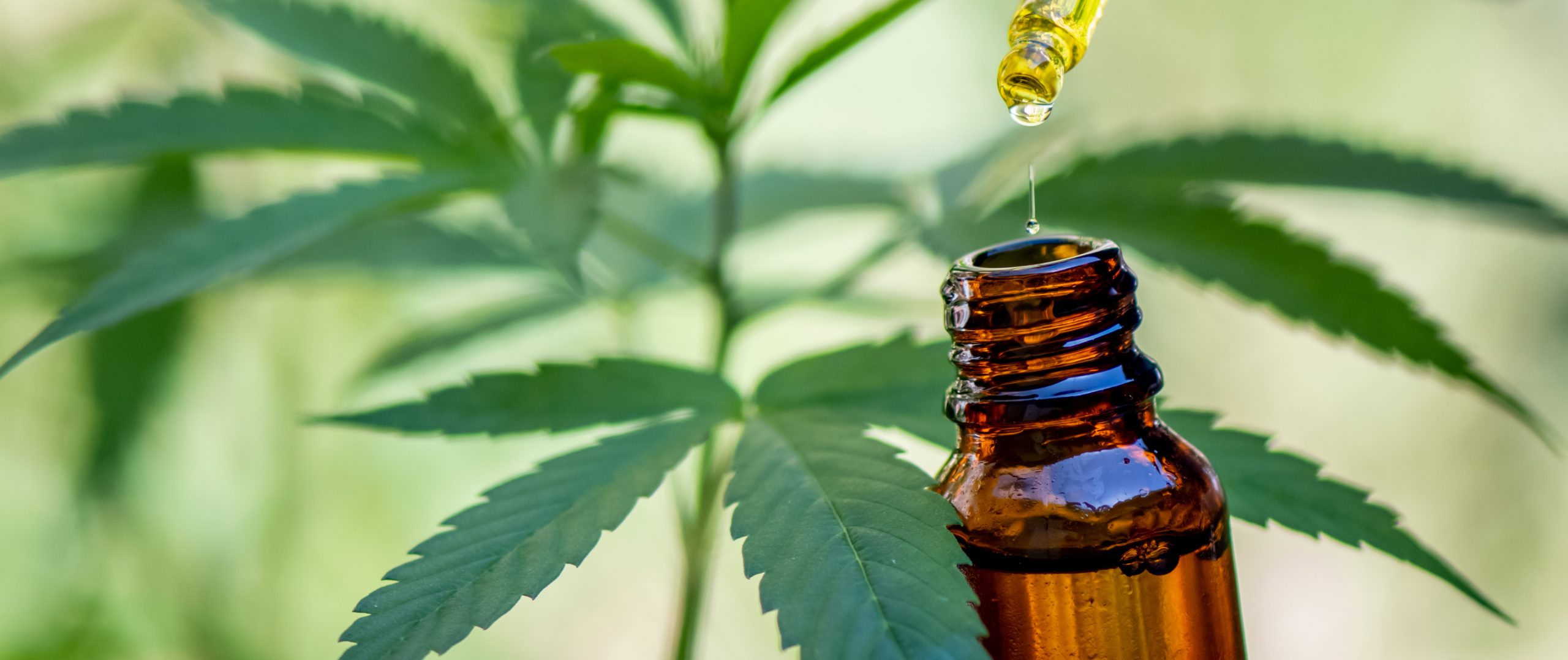
Cannabis has a lot going on under the surface. There are over a hundred compounds, but the two that get the most attention are THC and CBD. But while they might come from the same plant, CBD and THC aren’t identical twins. In this blog, we’re breaking down what makes CBD and THC different and how to figure out which one (or both) might be the right fit for you.
What Are Cannabinoids?
Cannabinoids are the natural compounds found in cannabis that interact with your body in some pretty fascinating ways. They’re like little messengers that plug into a network inside you called the endocannabinoid system (ECS).
The ECS is like your body’s balance-keeper, helping regulate things like mood, pain, sleep, appetite, memory, and even your stress response. It has two types of receptors: CB1 (mostly in the brain and central nervous system) and CB2 (mostly in the immune system and peripheral tissues). When you consume cannabis, cannabinoids like CBD and THC connect with ECS receptors throughout your brain and body, influencing how you feel and function.
CBD and THC are just two of over 100 known cannabinoids in the plant.
Each one has its own potential effects and benefits, which means there’s a whole world of cannabis science waiting to be explored beyond just the “big two.” However, CBD and THC are the most researched, widely available, and easiest to start with if you’re looking to understand how cannabis works for you.
What Is CBD?
CBD, short for cannabidiol, is one of the most well-known compounds in cannabis. It’s found in both marijuana and hemp plants, but most CBD products on the market today come from hemp, which naturally contains very low levels of THC.
One of CBD’s main selling points is that it’s non-psychoactive, which means it won’t get you high. Instead, CBD works quietly behind the scenes, interacting with your endocannabinoid system to help keep things in balance.
People (and their pets!) turn to CBD for all kinds of reasons, but some of the most common include:
- Reducing inflammation and pain
- Supporting mental wellness
- Promoting better sleep
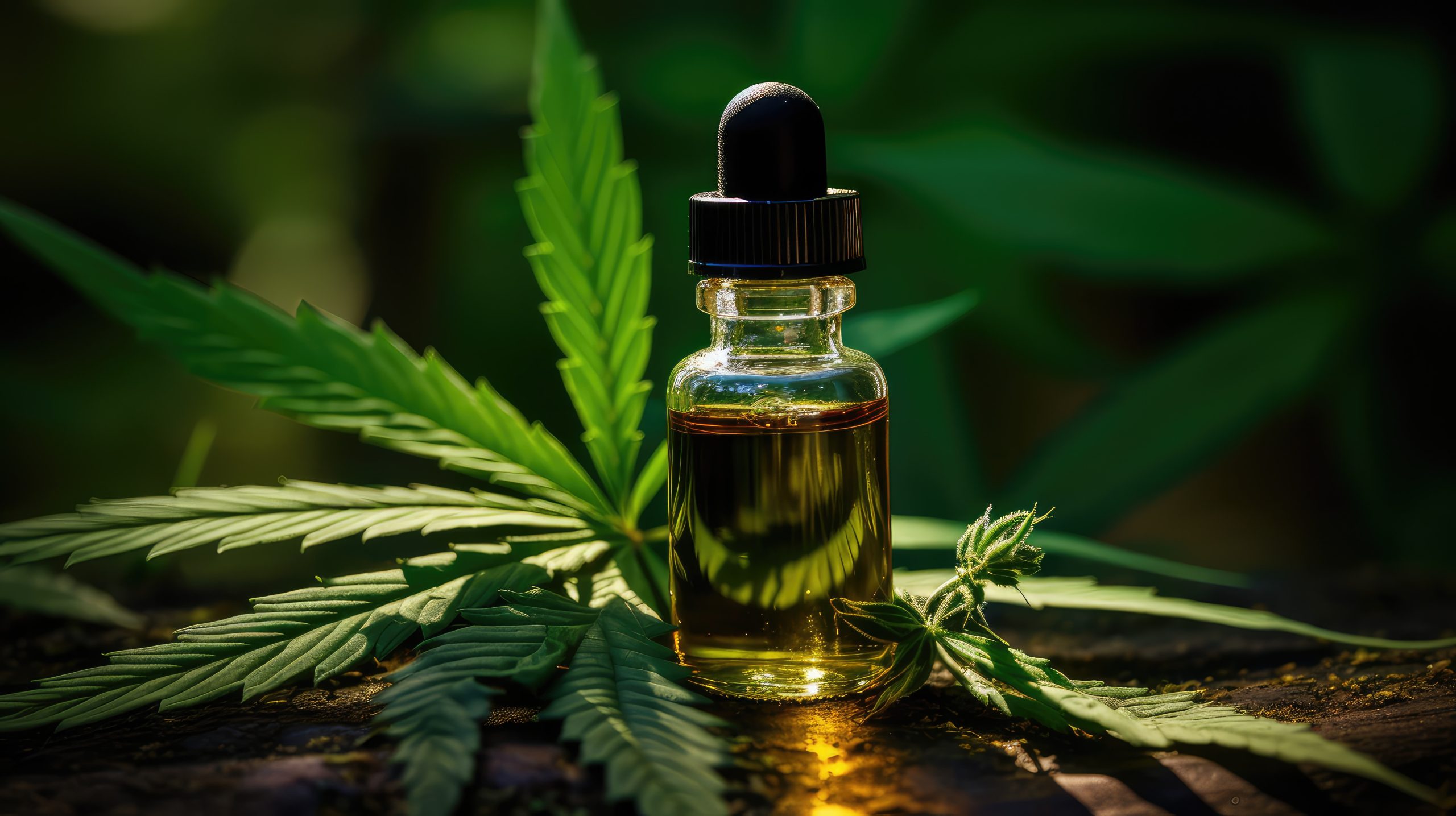
You’ll find CBD in all sorts of product types, so you can choose what fits your lifestyle best: tinctures for quick absorption, edibles for longer-lasting effects, topicals for targeted relief, and capsules for easy, no-fuss dosing.
CBD is like the mellow best friend who always has your back, helping you feel your best without changing your headspace.
What Is THC?
THC, short for tetrahydrocannabinol, is the cannabinoid that most people think of when they hear “cannabis.” It’s the primary psychoactive compound in the plant, meaning it’s the one responsible for that euphoric, uplifting, and sometimes giggly “high.”
But THC isn’t just about the buzz. It also offers a wide range of potential benefits, which is why it’s so popular among both recreational and medical users. Common uses include:
- Pain relief
- Appetite stimulation
- Easing nausea
- Enhancing mood or creativity
THC comes in a variety of product types, so there’s something for every preference: classic flower for smoking, vapes for convenience, edibles for a longer-lasting effect, and concentrates for a more potent experience.
In short, THC is the life of the party. It can elevate your mood, unlock your creativity, and help you feel good physically, all while delivering that unmistakable cannabis experience.
Key Differences Between CBD and THC
While CBD and THC are both cannabinoids from the same plant, they play very different roles when it comes to effects, legality, and how they work in your body.
Psychoactive vs. Non-Psychoactive
- THC is psychoactive, meaning it can produce that classic cannabis “high.”
- CBD is non-psychoactive, so it won’t alter your mental state.
Legal Status
- CBD derived from hemp (with less than 0.3% THC) is federally legal in the U.S., but some states have restrictions.
- THC remains federally illegal, but is legal for medical or adult use in many states (including Michigan).
Side Effect Profiles
- THC may cause dry mouth, red eyes, slower reaction times, and, at higher doses, anxiety or paranoia
- CBD is generally well-tolerated, with possible mild side effects like drowsiness, dry mouth, or changes in appetite.
How They Interact with CB1 and CB2 Receptors
- THC binds directly to CB1 receptors in the brain and central nervous system, producing psychoactive effects.
- CBD doesn’t bind strongly to CB1 or CB2 receptors. It works more indirectly, helping to regulate the effects of other cannabinoids and support overall ECS balance.
Potential Benefits of THC and CBD Together
While CBD and THC each have their own strengths, they can be even more effective when used together. This is thanks to something called the entourage effect, the idea that cannabinoids, terpenes, and other compounds in cannabis work synergistically to enhance each other’s benefits.
Balanced products, like a 1:1 CBD:THC ratio, are a great example. They offer the therapeutic benefits of THC, while CBD helps to smooth out the psychoactive effects. These blends can be ideal for:
- Daytime pain relief without heavy intoxication.
- Relaxation that still allows you to stay clear-headed.
- Recovery support that targets both body and mind.
A blend might be better than just one cannabinoid when you want the full range of benefits cannabis can offer. This is especially true if you are managing complex needs like chronic pain, inflammation, or sleep issues.
Choosing the Right Option for You
When deciding between CBD, THC, or a combination, keep these factors in mind:
- Your Wellness Goals: Are you looking for pain relief, relaxation, creativity, focus, or better sleep?
- Sensitivity to THC: If you’re prone to feeling anxious or “too high,” start with CBD or a low-THC blend.
- Time of Day and Desired Effects: THC-heavy products might be better in the evening, while CBD or balanced products work well at any time.
- Start Slow: Begin with a low dose, then gradually adjust until you find your sweet spot.
- Quality Matters: Always choose lab-tested products from reputable dispensaries (like Fire Island) to ensure safety and potency.
Find What Works for You at Fire Island Cannabis Dispensary
CBD and THC may come from the same plant, but they each bring unique benefits to the table. CBD offers calm, recovery, and balance without the high, while THC delivers that classic euphoric lift alongside powerful relief for pain, nausea, and more. And when used together, they can create a balanced, full-spectrum experience that supports both body and mind.
If you’re ready to explore the world of cannabinoids and find what works best for your needs, visit Fire Island. Our team is here to answer your questions, guide you toward the right products, and help you make the most of everything cannabis has to offer.
The contents of this blog are intended for informational purposes only. Always seek the advice of a physician or other qualified healthcare provider with any questions you may have regarding a medical condition.